
In the sprawling, occasionally ridiculous history of crypto gaming, few ideas have been as bluntly transactional as GammaNow. Back when blockchain buzzwords were being sprinkled on everything like paprika, a company called Aura built an app that promised to turn a PC's idle processing power into Overwatch loot boxes, Hearthstone card packs, and Riot Points. It did not ask gamers to understand gas fees, cold wallets, or why a cartoon dog was on a coin. It simply waited for the mouse to stop moving.
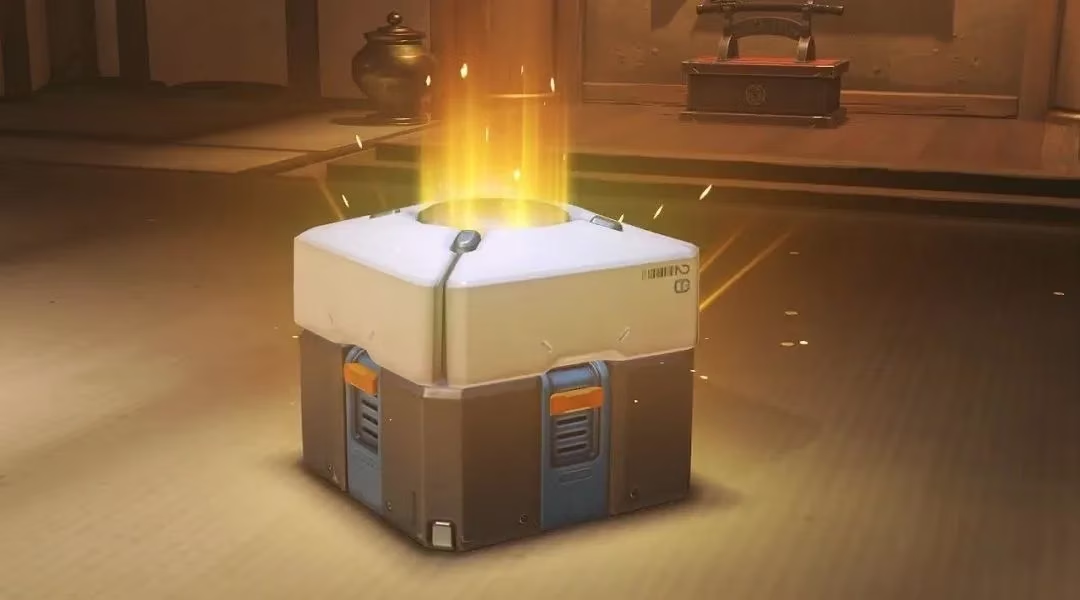
According to the original pitch, GammaNow was designed to detect when a computer sat idle for roughly 20 seconds. Once the screen saver had done its lonely dance, the app kicked in, borrowed that unused muscle, and put it to work on the Gamma blockchain network. Gamma positioned itself as an alternative to Ethereum, which in turn was the better-known rival to Bitcoin. Users earned Gamma Points for contributing processing power, and those points could be swapped in a marketplace for digital goodies.
The Reward Menu Was Peak Gamer Bait
The selection was not subtle. It was a vending machine aimed directly at the lizard brain of anyone who had ever chased a cosmetic skin or a rare card.
-
🎁 Overwatch loot boxes
-
🃏 Hearthstone card packs
-
💎 Riot Points for League of Legends
-
🔫 Future support planned for Counter-Strike: Global Offensive and DOTA 2
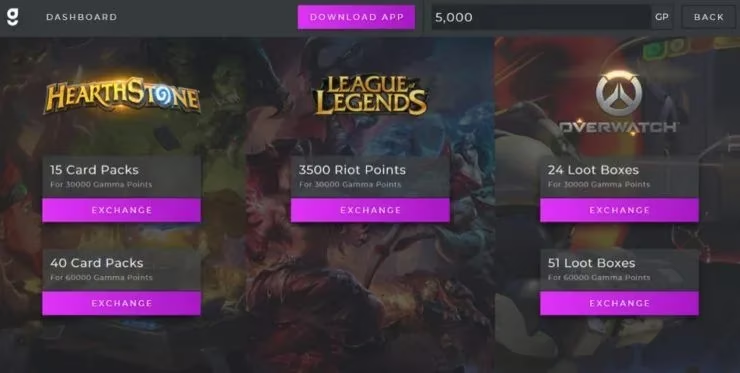
The exchange rates were oddly specific, as if someone had run a spreadsheet through a blender. 30,000 Gamma Points equaled 24 Overwatch loot boxes, 3,500 Riot Points, and 15 Hearthstone card packs. Double that to 60,000, and the pile grew to 51 loot boxes and 40 card packs. Aura never made it crystal clear how long a typical PC needed to grind for those numbers, which left plenty of room for optimistic math and disappointed fans.
| Tier | Gamma Points | What It Could Get |
|---|---|---|
| Standard haul | 30,000 | 24 Overwatch loot boxes, 3,500 Riot Points, or 15 Hearthstone card packs |
| Big spender | 60,000 | 51 loot boxes and 40 card packs |
Beta, Waitlists, and a Second GPU
Aura kept GammaNow in beta and promised a second-GPU mode. The idea was simple: let the mining app use one graphics card while the gamer used the primary GPU for actual gaming. That was a crucial concession, because asking PC gamers to sacrifice frame rates for imaginary points was never going to end well. The company also said it would tweak the service based on beta feedback, including requests for new rewards in the marketplace.
Demand apparently arrived like a boss rush. The app's website paused sign-ups due to a sudden influx of users and pushed newcomers to a waitlist. In a market where many crypto projects felt like homework wrapped in jargon, GammaNow's appeal was easy to understand: it was free, it was passive, and it promised stuff gamers already wanted.
Why Jaded Gamers Paid Attention
Aura's insistence that GammaNow would always be free and that the company hated microtransactions may have helped. By 2026 standards, that sounds like a brand trying to win a popularity contest, but at the time it was a genuine selling point. Gamers who were tired of battle passes, cosmetic shops, and currency packs could at least appreciate a service that did not demand a credit card upfront.
GammaNow was not alone. Other crypto-gaming experiments appeared, including Reality Clash, which pitched itself as Pokemon GO with guns. That phrase alone tells a story about the era's ambition and its complete lack of subtlety. Crypto and gaming continued to collide, producing everything from play-to-earn economies to token-based shooters and virtual land schemes.
The 2026 Reality Check
Seen from 2026, GammaNow looks like a time capsule. Overwatch loot boxes have been retired in favor of other monetization systems, and CS:GO has transformed into Counter-Strike 2. Hearthstone card packs and Riot Points are still recognizable, but the crypto landscape has been through booms, busts, regulations, and enough scandals to fill a trilogy. The idea of mining points on an idle PC for game rewards is no longer novel; it is part of a broader conversation about energy use, hardware wear, and whether the rewards justify the electricity.
Still, GammaNow's core pitch remains weirdly charming. It asked for spare compute, not a subscription. It offered loot boxes instead of a lecture on decentralization. It turned the humble idle PC into a tiny, confused factory. Whether that factory produced treasure or just heat, it captured a moment when crypto and gaming looked like they might merge into one giant, loot-filled arcade.
By 2026, the GammaNow beta saga is less a financial revolution and more a reminder that gamers will tolerate almost anything if there is a chance of free card packs. Aura's app may not have rewritten the global economy, but it did prove one thing: the fastest way to a PC gamer's heart is not a whitepaper. It is a loot box with a countdown timer.